

Who we serve
Digitalization in the meat industry: know your yield while the batch is still running
A meat processing plant runs on thin margins and stacks of paper. Temperatures are written on lists in the cold store, CCP checks live on paper, and the real cutting yield of a batch only surfaces after everything has been weighed out. Meanwhile the line keeps running, giveaway keeps adding up and the next audit is already on the calendar. Digitalization is not about adding another system: it is about getting the numbers you already produce, per batch and in time, in front of the people steering the day. You do not have to digitalize the whole plant at once. Start with the line or the list that costs the most today.
Where the day still runs on paper and memory
Most meat processors already measure a lot: scales and checkweighers on every packing line, temperature sensors in every cold store, metal detectors that check every pack. But the measurements stay locked in the machine or on a clipboard, so the same questions come back every day.
None of this is a knowledge problem: your people know where it hurts. It is a timing problem. The information exists, but it arrives after the batch, after the shift or after the auditor asked. Digitalization moves that information to the moment you can still steer.
- Temperature and CCP checks are written down on rounds and typed over later, or not at all.
- Yield per batch only becomes clear after weighing out, when the cutting room is already on the next order.
- Giveaway on the packing lines adds up invisibly: every pack a few grams over is margin walking out the door.
- Tracing one batch for an audit or recall means hours of digging through paper records and Excel.
- Hygiene stops and changeovers eat production hours, but nobody can say exactly how many.
One data layer over lines, scales and cold stores
With MeshOS, Meshnex reads the data your plant already produces: weights from checkweighers and scales, temperatures from cold stores and cookers, counts and stops from the PLCs of your packing and processing lines. That data is linked to the right batch, line, shift and product. A weight is then no longer just a number: it is a pack of product X, on line 2, in batch Y, at 14:32.
Existing machines stay in place and connections to the floor are read-only by default: MeshOS reads along, it does not take over control. It works alongside your ERP, not instead of it. Lot administration stays where it is; MeshOS ties the floor data to it.
Meat plants are washdown environments, and we build for that: edge hardware goes into IP-rated enclosures, and installation is planned in cleaning windows or planned stops, not during production.
What digitalization delivers in a meat plant
Our own product
MeatVision: every crate identified by camera
One registration in a meat plant is still done entirely by hand: someone looks into every crate and types a product code. For that step we built MeatVision, a vision station over the conveyor. It reads the crate barcode, recognises the cut inside and links the two, while the crate keeps moving.
It runs on its own next to your line control, or feeds the same data layer as the rest of this page: every crate becomes a record with product, photo, weight and timestamp.
Digitalizing without stopping production
A meat plant has no downtime to spare for an IT project, and it does not need one. Meshnex connects one line or one registration first; in many situations the first live data is visible within 48 hours after a line is connected. Installation is planned around hygiene stops, so production does not wait for digitalization.
From there it grows step by step: first giveaway on one packing line, then the temperature records, then OEE on the lines where the hours are tightest. The data layer underneath is the same, so every next step starts halfway instead of from zero.
Deployment follows your IT requirements: cloud on European servers, hybrid, or fully self-hosted. Retail customers increasingly audit their suppliers' IT along with their hygiene; it helps when the answer is documented instead of improvised.
For every role
The same batch data, three different questions
Directors, production and QA, and technical services look at the same plant differently. They should not need three separate versions of the truth.
Where should you start?
Not with the technology: with the loss or the list that costs the most. In most meat plants that is giveaway, a paper registration or a line output that lags without a clear reason.
Step 1: pick the line or the list
Choose one packing line, one registration round or one recurring question, like why Tuesday's yield is always lower.
Step 2: connect what already measures
Scales, checkweighers, temperature sensors and PLCs are read out; nothing is replaced.
Step 3: see the first numbers live
Yield, temperatures or downtime become visible per batch and per line while production runs.
Step 4: expand where it pays
Use the first weeks to test improvements, then extend to the next line, registration or site. The data foundation is already there.
Client cases
Food lines that made their data work
Projects from food production floors: labels, recipes and real quality checks.
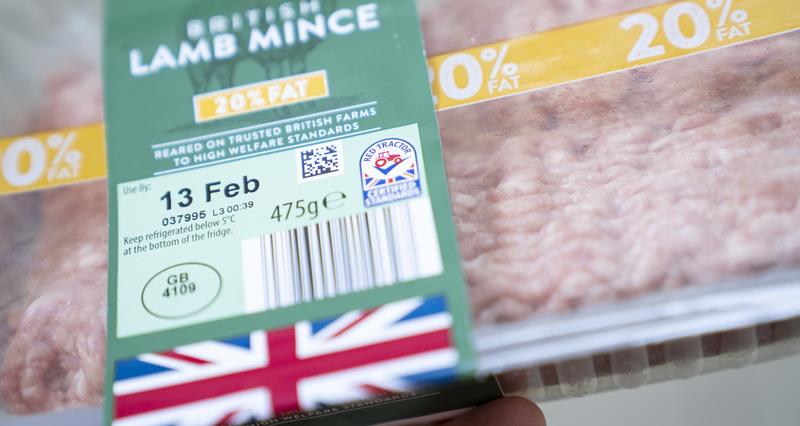 AI label inspection
 Every label and expiry date checked by AI vision
A vision system checks every package on the line: is this the right label for this order, and is the expiration date present, correct and legible? Mismatches are caught before products leave the line, every check logged per batch.
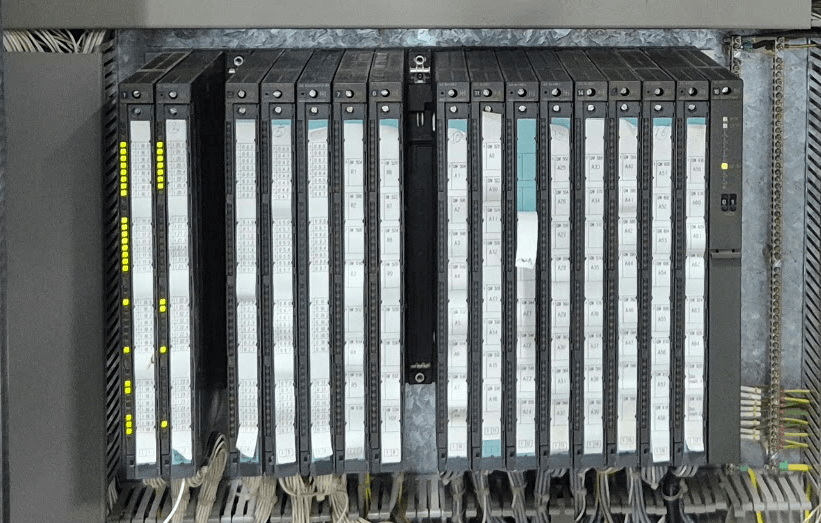 Recipe digitalisation
 Recipes from legacy Siemens PLCs, digitally secured
Recipes that only existed on paper and inside ageing Siemens PLCs, now digitally backed up and versioned. Every setpoint change is logged: who, what, when, and what it did to production. Reverting takes one click.
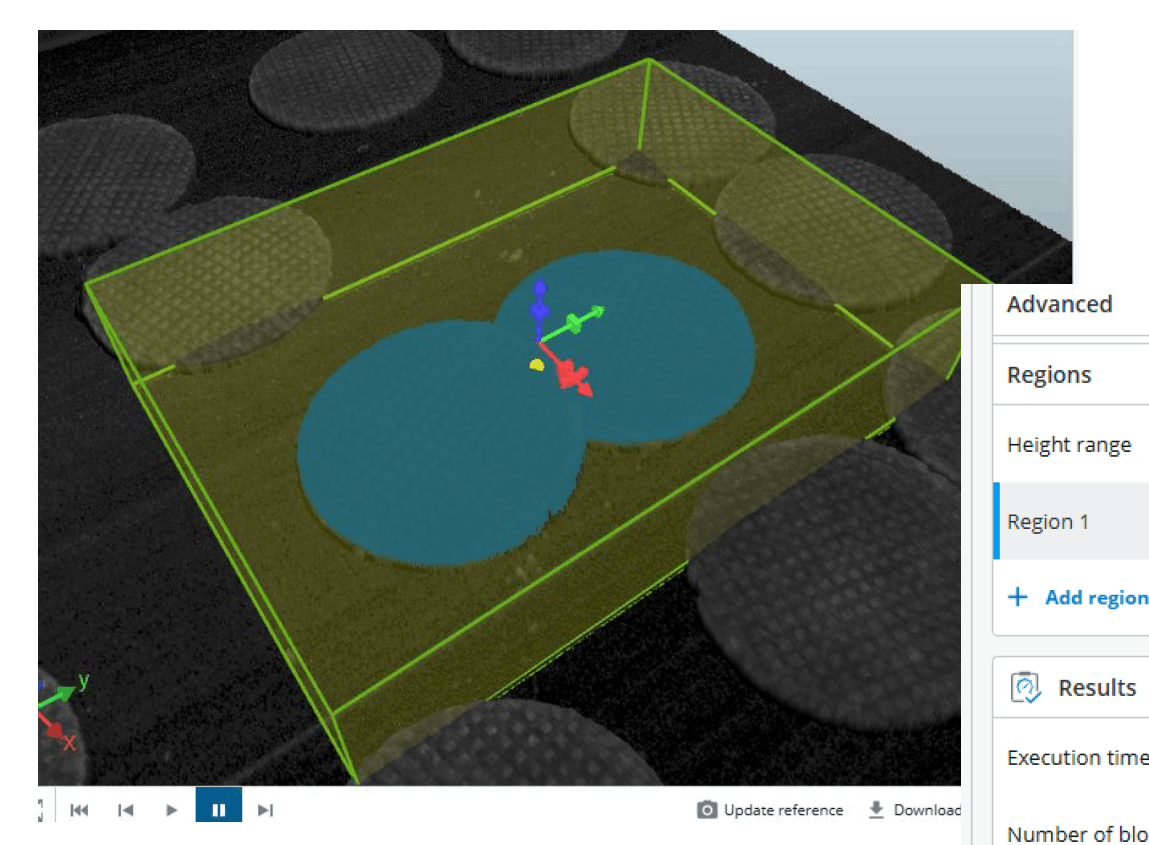 Inline quality inspection
 Every stroopwafel measured by a 3D laser camera
A 3D laser camera measures every stroopwafel on the line: diameter, thickness and shape. Deviations show up while the batch is still running, not at the sample check afterwards. All quality data logged per line and per batch.
Frequently asked questions from meat processors
Does this work with our existing scales and packing machines?
Usually, yes. Modern checkweighers, scales and packing machines expose their data over standard industrial protocols, and MeshOS reads those directly. Older machines without any data output sometimes need a small addition, like a sensor or a readable scale head. That assessment is part of connecting the first line, not a surprise afterwards.
Are digital records accepted in audits?
Yes. BRC, IFS and NVWA audits ask for complete, traceable records; whether they are on paper or digital is not the point. Digital records with a timestamp and a source are typically easier to defend than handwritten lists, because they show when a value was measured and where it came from. You decide per registration which checks stay manual.
Do we have to stop production for the installation?
No. Edge hardware is installed during planned cleaning windows or stops, and connections to machines are read-only. In many situations the first live data is visible within 48 hours after a line is connected.
Can we start with one line?
Yes, and we advise it. One packing line with live giveaway, or one temperature registration made digital, shows the value faster than any plan. The same data layer then extends to the next line or registration.
Start with the line that costs the most
Your scales, sensors and lines already produce the numbers. The next step is seeing them per batch, while you can still act on them. Tell us where the margin leaks and we will show you what one connected line makes visible.